Heating Small Spaces Off-Grid
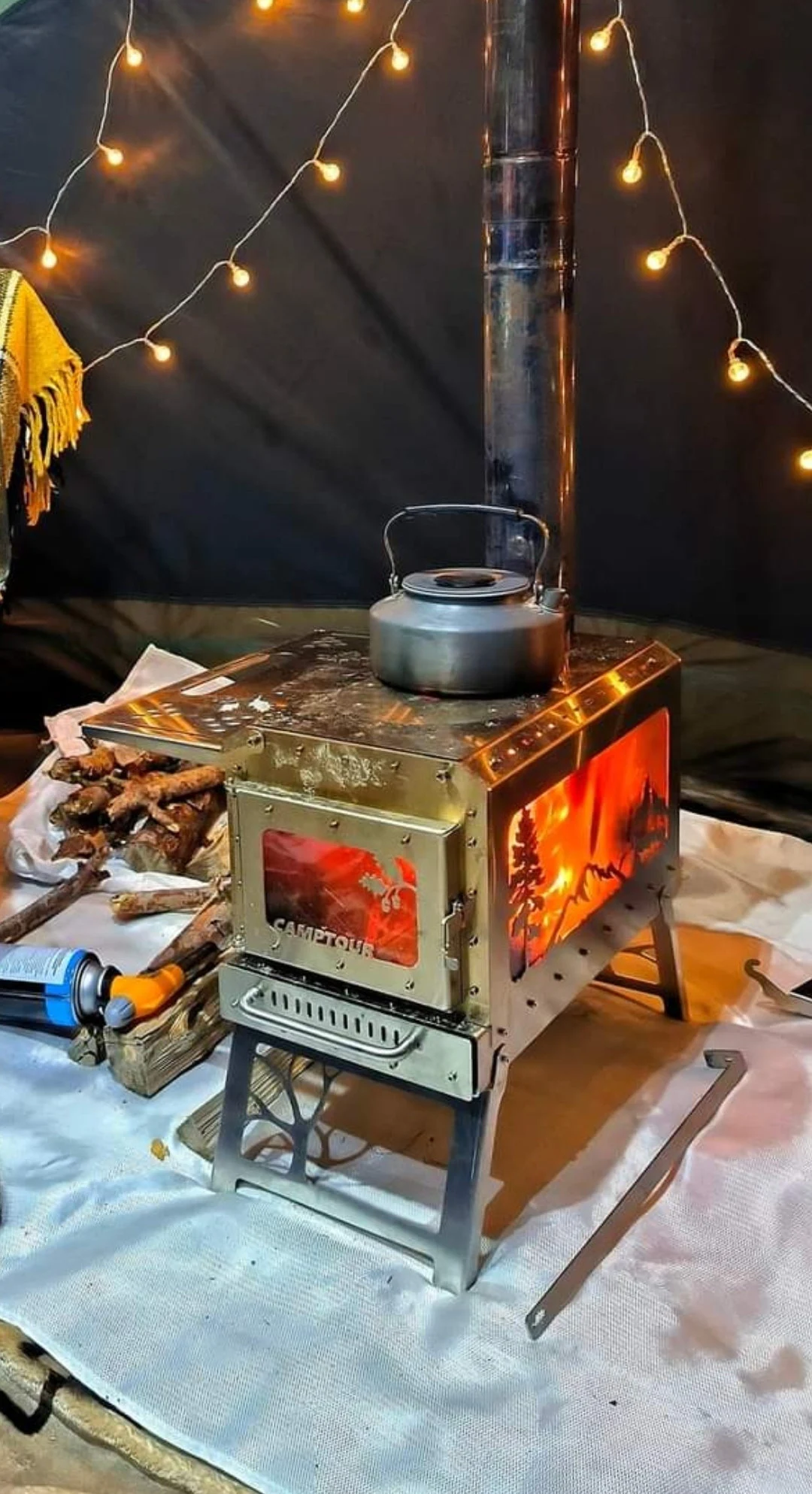 Understanding heat transfer for off-grid heating solutions.
Heating Small Spaces Workshop
How much energy does it take to keep a goat shed warm? A tiny home? An off-grid water tank from freezing? In this workshop, we'll explore the physics of heat loss and learn practical methods for estimating heating requirements for small spaces.
What You'll Learn
- The fundamental heat transfer equation (Q = U × A × ΔT) and what it means in practice
- How insulation works: understanding R-values and U-values
- Calculating heat loss through walls, roofs, floors, and air leaks
- Comparing heat sources: wood, propane, electric, and heat pumps
- How to right-size a heating system for your space
Hands-On Activities
We'll build small insulated boxes (about 2' square) and run experiments:
- Install incandescent bulbs as heat sources and temperature sensors inside and out
- Test different insulation materials and thicknesses
- Measure real temperature differences and compare to our calculations
- Explore the effects of air movement with small fans
- Discuss how heat pumps work and consider building a small demonstration model
Practical Applications
The principles we cover apply to many real-world scenarios:
- Keeping livestock water from freezing off-grid
- Heating animal shelters (goat sheds, chicken coops)
- Sizing heaters for tiny homes and cabins
- Understanding when insulation improvements pay off
- Evaluating different heating technologies for off-grid use
Workshop Details
Ideal for homesteaders, tiny home builders, and anyone curious about the physics of staying warm. We'll combine hands-on experiments with practical calculations you can apply to your own projects.